
Fueling the orbital economy
We build the open docking and refueling interface for satellites, the propellant gauging that tells you what is in the tank, and the navigation that brings a servicer close enough to use it. We are working towards an in-orbit demonstration in 2027.
Satellites retire with working hardware
Every satellite launches with all the fuel it will ever have. Every maneuver is planned years ahead, with little room for error. When the tanks run dry the mission ends, even if everything else still works, and some of that hardware stays in orbit as debris.
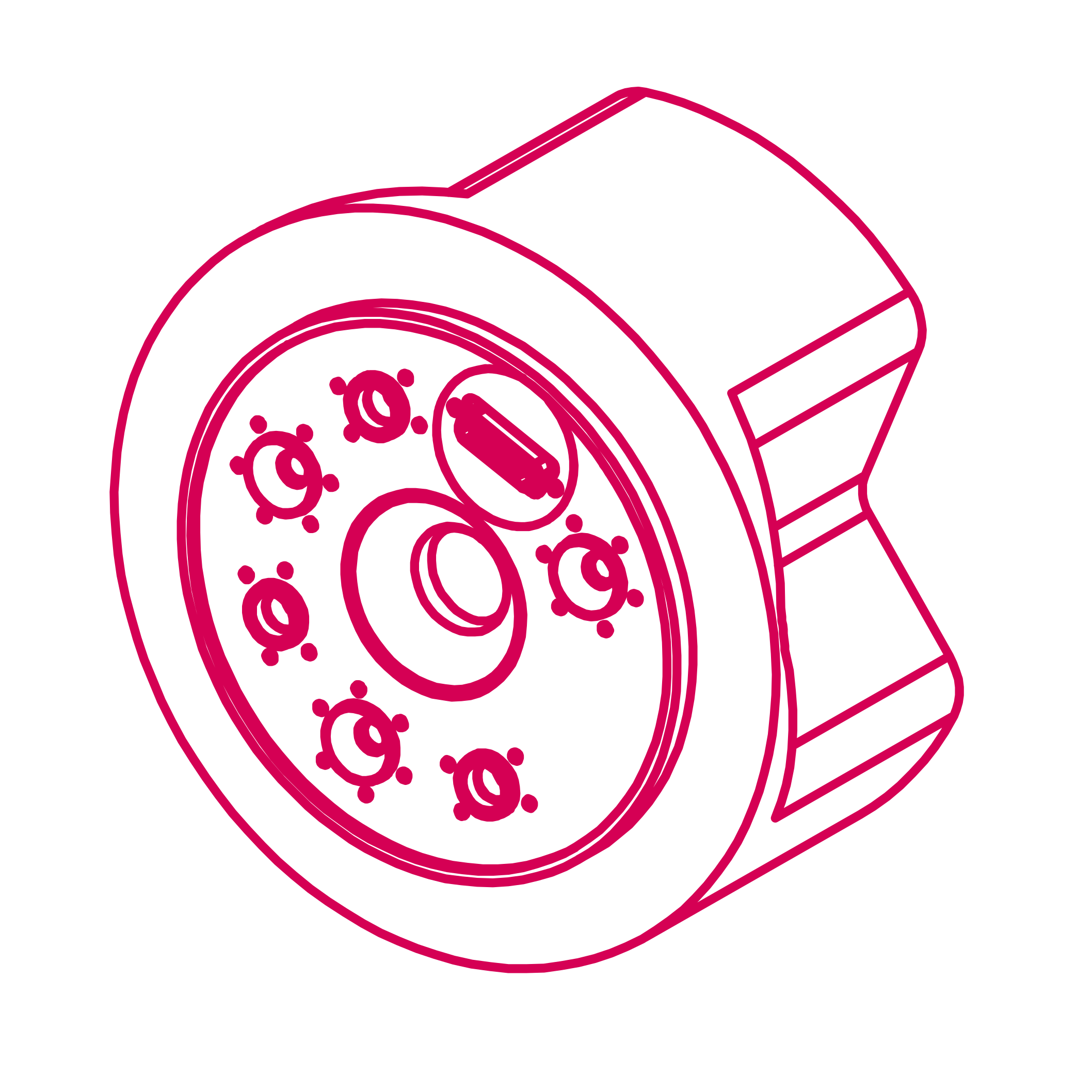
An open port, and the navigation to reach it
CIRI is a docking interface built for refueling: a mechanical, electrical and fluidic connection in one, compatible with chemical and electric propulsion. It follows the open European standard, so any operator can adopt it without vendor lock-in. Our propellant gauging and flow metering measure what is in the tank and what crossed the interface. ADONIS is the vision-based navigation that guides a servicer in to dock, LUNA is the laser rangefinder that backs it up when lighting turns hostile, and WIDMO is the simulator we use to test it and generate training data.
Longer term, we plan to operate reusable fuel shuttles that move propellant from orbital depots to satellites in LEO, GEO and lunar orbits.
Built with the standard, not around it
Why now
Europe is defining common interfaces for in-orbit servicing, through ESA's FLPP and InSPoC work. We contribute to that process and design CIRI to converge with the standard that comes out of it. Life extension, debris removal and inspection all need the same two things: a way to dock and a way to navigate up close.
Traction
Letters of intent from two companies building in-orbit servicing and space robotics systems, covering CIRI and our LUNA rangefinder. Three major European launcher and satellite manufacturers are evaluating our propellant gauging, with letters of intent in discussion. CIRI reached TRL 4 during our ESA BIC Poland incubation.
Team
Founded in Warsaw in 2023. A team of seven across mechanical engineering, machine learning, mechatronics and 3D simulation, with our own lab and a 4-DoF test stand for docking verification.
The ask
We are raising to take CIRI and our propellant gauging through environmental testing to an in-orbit demonstration. The deck covers the plan, the market and the round.
Request the deck
Leave your email and we will send the deck personally within 2 business days.